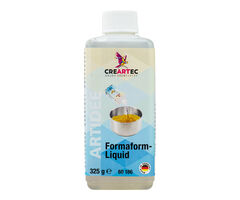
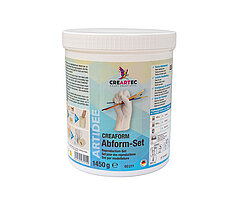
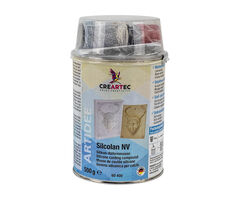
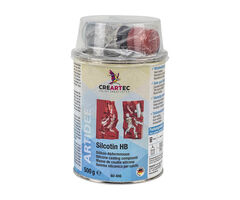
Moulding Techniques - What is moulding?
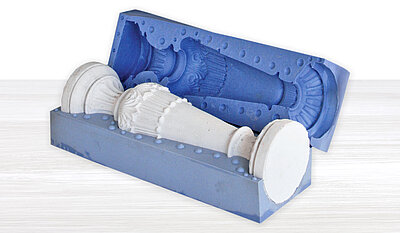
Moulding is the first step in the production of replicas (copies) of an object. Moulding is successfully used to produce prototypes, for synthetic casting, for unique art history or archaeological specimens, and also in medicine (prosthetics). The original model is referred to: in the first step this is moulded. In the second step the negative mould (matrix) that has been produced is filled once or repeatedly, depending on the type of material, with an appropriate moulding compound, and then removed from the mould once it has hardened. In an ideal scenario, the replica produced by the hardened compound is an exact copy of the original model.
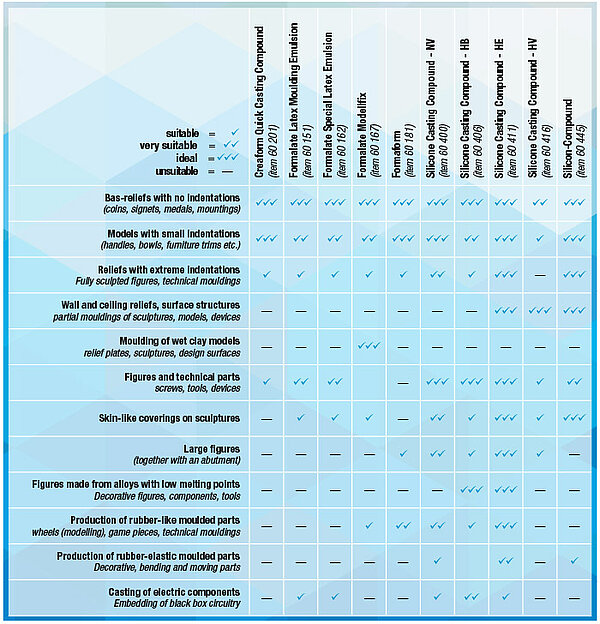
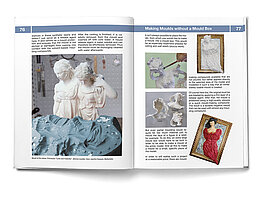
Moulding is a very broad and complex subject, and there is a huge variety of different moulding materials, moulding techniques, release agents and moulding compounds. Almost perfect replicas can be obtained, but only if the right combination of components is used and the correct technique is chosen can this be done without damaging the (possibly irreplaceable) original. You can find an excellent and comprehensive introduction to this in the book Making your own Moulds by K-P Lührs which you can buy in book shops or order conveniently from us (item 05 172). Our experienced team will also be happy to advise you personally, and we can help you to find the right solution for your moulding project.